
Best Supplements for Mood and Emotional Balance in Women (2025)
Many women experience mood fluctuations due to hormonal changes, stress, or nutrient deficiencies. While lifestyle changes can help, certain mood supplements for women in 2025 offer targeted support for emotional stability, calmness, and mental resilience. This guide highlights the most effective, science-backed options — including what to look for and which products are worth trying.
Why Mood Support Matters for Women
Women’s mood can be influenced by hormonal cycles, life stages like perimenopause or postpartum, and everyday stress. Imbalances in neurotransmitters like serotonin and GABA can lead to anxiety, irritability, or low mood. Nutritional gaps, poor sleep, and blood sugar swings may worsen symptoms. The right supplements can help regulate these systems, offering support for both short-term relief and long-term emotional balance.
Key Ingredients That Support Mood & Emotional Balance
The best mood-support supplements for women combine adaptogens, amino acids, minerals, and herbal extracts that influence neurotransmitters, stress response, and hormonal pathways. Here are the top ingredients to look for:
| Ingredient | Benefit | Typical Dosage |
|---|---|---|
| Magnesium Glycinate | Calms the nervous system and supports serotonin | 200–400 mg daily |
| 5-HTP | Precursor to serotonin; helps with mood and sleep | 50–100 mg, taken with B6 |
| L-Theanine | Promotes relaxation without drowsiness | 100–200 mg daily |
| Rhodiola Rosea | Adaptogen that helps the body manage stress | 200–400 mg daily |
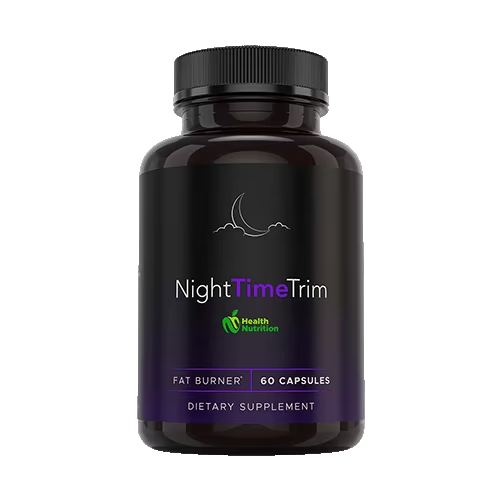
NightTimeTrim – Natural Support for Calm, Mood & Sleep
A dual-action supplement designed to support relaxation, mood balance, and deep sleep. Formulated with magnesium, 5-HTP, and calming botanicals — ideal for evening use or during emotionally intense phases. Free from stimulants or harsh additives.
Expert Tips to Support Mood & Emotional Balance
– Maintain consistent sleep and wake times — quality rest stabilizes neurotransmitter levels.
– Incorporate mindfulness or breathing techniques to regulate stress responses.
– Limit caffeine and alcohol, which can disrupt mood stability and increase anxiety.
– Eat a nutrient-rich diet with plenty of fiber, omega-3s, and fermented foods to support the gut-brain axis.
– Consider daily physical activity (like brisk walking or yoga) to elevate serotonin and endorphins.